How To Help Your Child Overcome Fear Of Water
Splashing in the pool or playing at the beach is a hallmark of childhood. However, for many parents, the dream of a relaxing water day can feel out of reach when their child is hesitant even to dip a toe in. If your child experiences a fear of water, you are certainly not alone.
At Goldfish Swim School, we believe that every child can find their inner swimmer at their own pace. Helping your child overcome a fear of swimming is about building a foundation of trust, comfort, and confidence through patient support and steady progress.
Why Some Children Develop a Fear of Water
Understanding the why is the first step toward a solution. For many preschoolers, a fear of swimming pools stems from the unknown. The experience, the temperature, the splashing, or even the smell of a pool can be overwhelming for a young child.
Sometimes, this hesitation develops after a minor startling event, like getting water in their eyes or slipping on a wet surface. In other cases, it’s simply a phase where children become more aware of their surroundings and potential risks. Recognizing that this caution is a natural part of growth helps us approach it with empathy.
Signs Your Child May Have a Fear of Swimming
Every child expresses discomfort differently. While some children might say exactly how they feel, others show hesitation through body language.
Common signs include:
- Clinging tightly to a parent or caregiver near water.
- Refusing to sit on the pool steps or enter the splash pad.
- Crying or becoming upset when water touches their face.
- Expressing worry days before a scheduled swim activity.
- Avoiding swimsuits, towels, goggles, or other reminders of pool time.
How to Help Your Child Conquer Fear of Swimming
The path to water confidence takes time. By using supportive techniques and focusing on skill development through swim lessons, you can help your child move from hesitation toward a more comfortable relationship with the water.
1. Start By Validating Your Child’s Feelings
It can be tempting to say, “Don’t be scared, it’s just water!” However, acknowledging their feelings is more effective for calming your child. Use phrases like, “I see that the big pool looks a bit scary right now. We can stay right here on the steps until you’re ready.”
When children feel heard, their stress levels may start to ease, making them more open to trying small steps. Validation builds trust and helps children feel supported as they gradually become more comfortable near the water.
2. Take Small Steps to Help Your Child Get Comfortable in The Water
Small, steady steps are often the most helpful answer to how to get over fear of water. Start away from the pool before children’s swim lessons. Bath time can be a gentle place to practice blowing bubbles, touching water with their chin, or pouring water over their shoulders with a favorite cup.
Once at the pool, begin with simple exposure. Sit on the edge together, dip your toes in the water, or watch other children participate. These early moments can help your child learn that the pool environment can feel familiar and manageable.
3. Use Familiar Routines to Make Swim Time Feel More Predictable
Children often feel more comfortable when they know what to expect. Create a swim day routine, such as packing their towel together, choosing goggles, or having the same snack afterward. Predictable steps can make the experience feel less overwhelming.
At Goldfish Swim School, consistent lesson structure helps children understand what comes next. Over time, that familiarity can help reduce the uncertainty behind a fear of water and make each visit feel more manageable.
4. Make Water Exposure Positive and Encouraging
Our philosophy, The Science of SwimPlay®, is built around the idea that children learn well when they feel engaged and supported. Turn water exposure into something approachable. Reaching for a floating toy, pretending to be a fish, or practicing bubbles can help children associate water with participation rather than pressure.
Celebrate small wins! Sitting on the pool steps, putting a chin in the water, or staying calm during a short lesson can all be meaningful progress. Positive reinforcement helps children connect the water with pride, comfort, and accomplishment.
5. Choose a Learning Environment That Supports Confidence
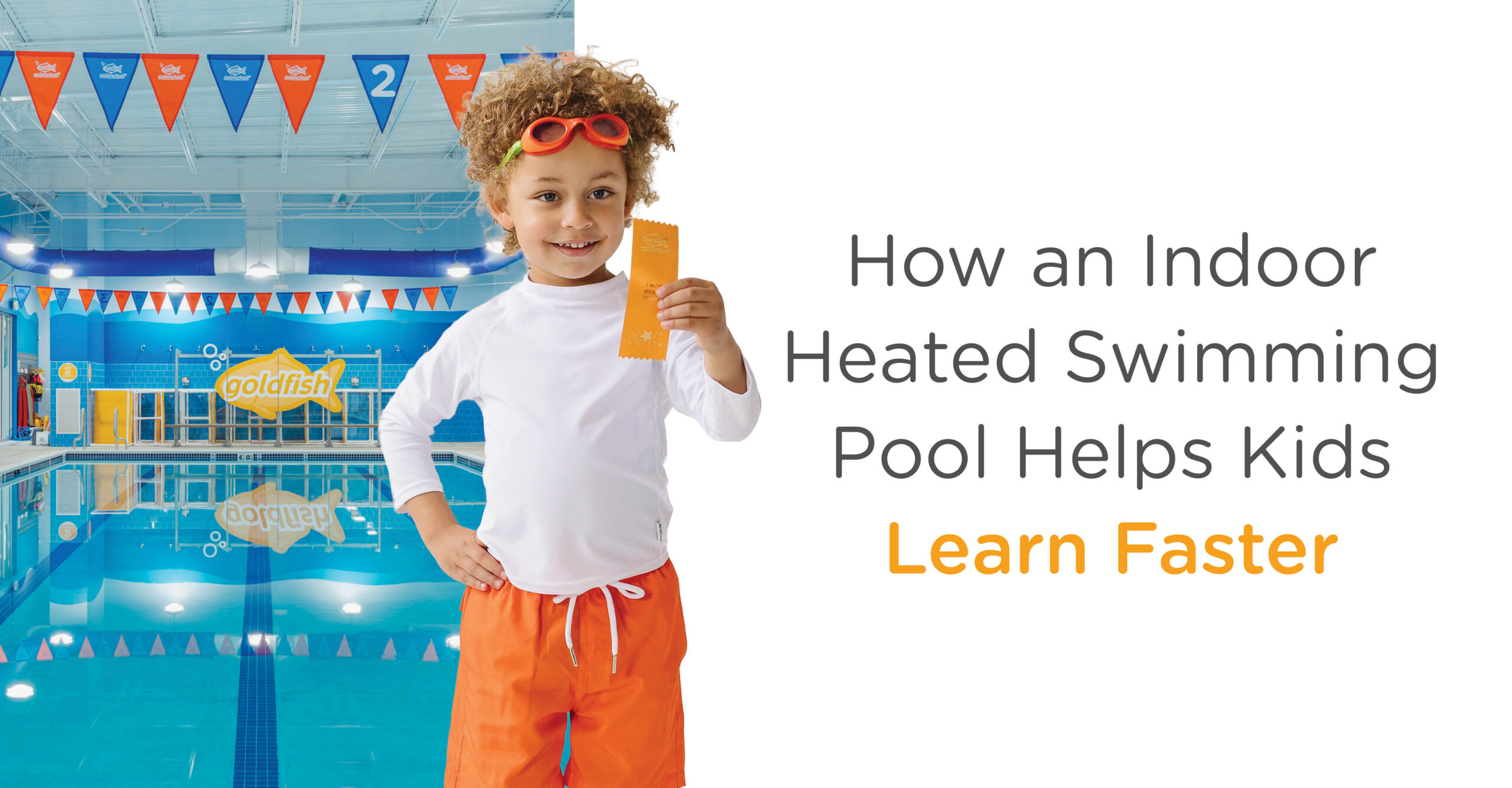
The environment plays a major role in how to overcome fear of water. A cold, loud, or crowded pool can make the experience harder for a hesitant child. A warm, child-focused setting can help make learning feel more approachable!
The Goldfish Difference:
- 90-Degree Pools: Our warm pools help children stay comfortable during lessons.
- Trained Teachers: From your baby’s first swim lessons onward, our teachers guide children at their individual pace with encouragement and patience.
- Small Class Sizes: Smaller groups allow for personalized attention and focused support.
Help Your Child Build Confidence in The Water With Goldfish Swim School
Working through a fear of swimming can be an important step in helping children feel more confident in and around the water. It is about more than learning strokes. It is about helping your child practice patience, build trust, and gain confidence through steady progress.
As you look forward to summer vacations, pool visits, and beach days, remember that preparation starts with supportive skill development. Goldfish Swim School focuses on water safety awareness, age-appropriate instruction, and confidence-building in a warm, encouraging environment.
Ready to get started? Find a Goldfish Swim School near you and learn how our warm pools, trained teachers, and child-focused approach can help your child build comfort in the water.
More Posts Like This