How to Prepare Your Child for Competitive Swimming
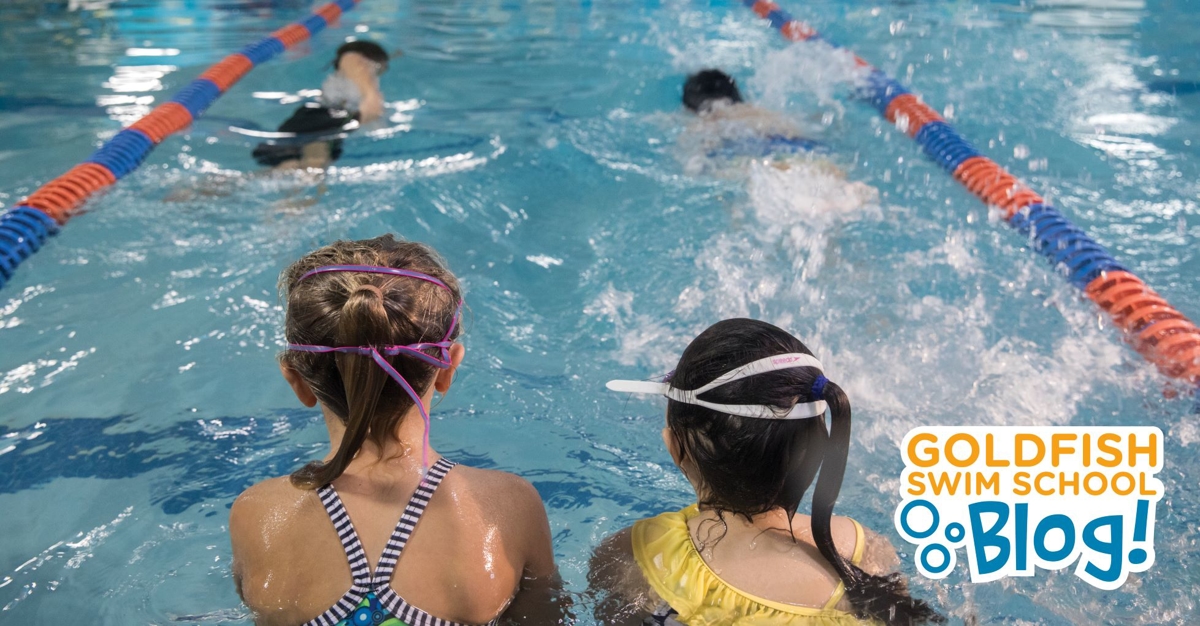
Do your kids love to swim? Maybe it can be more than just something fun for them to do in the summer! Maybe they can take swimming to the next level, like gold medalist Ryan Murphy, and dive into the world of competitive swimming – with your help!
Is Your Child Ready for Competitive Swimming?
Some children naturally become curious about swimming beyond basic swim lessons. They may enjoy practicing strokes repeatedly, swimming longer distances, or trying to improve their speed in the pool. As that interest grows, swimming can offer a structured path for young swimmers to continue developing technique, endurance, and discipline through organized training.
Ryan Murphy, the swimmer who won three gold medals in the 2016 Summer Olympics in Rio (and broke a world record in the meantime!), is on the road for another Golden Experience in the 2020 Summer Olympics in Tokyo! He’ll be competing in the FINA World Championship of Swimming in South Korea, July 12-28, 2019. And did we mention Ryan is also an Ambassador of the USA Swimming Foundation, and Goldfish Swim School has partnered with him to spread the word about water safety?!
6 Steps to Prepare for Competitive Swimming for Kids
Children who show growing interest in racing, improving their speed, or swimming longer distances may be ready to explore the next stage of their development. Preparing for competitive swimming does not happen overnight. It usually begins with a strong skill foundation and gradually expands through structured practice, coaching, and consistent training habits.
The following six steps outline practical ways families can support swimmers who want to progress toward swimming for kids, helping them build technique, endurance, and confidence along the way.
1. Learn to Swim
The first, and most important step on the path to becoming a competitive swimmer is taking lessons! Even if your child “knows” how to swim, lessons teach your child the right way to perform swim skills – and your little one can start swimming as early as 4 months old at Goldfish Swim School!
2. Practice, Practice, Practice.
Repetition is KEY to learning and mastering any skill, and swimming is no different. To be a competitive swimmer, your child has to commit. So, in addition to those lessons, practice every day to keep those skills sharp and get those extraordinary results.
As swimmers practice consistently, they begin developing the habits and body control needed for swimming environments. Practice sessions often include a mix of drills, distance swimming, and technique work. A structured approach helps swimmers gradually strengthen their skills while preparing for longer practices and race-style training.
- Consistency Matters. Regular weekly training helps swimmers retain techniques and steadily improve endurance over time. Repeating drills and distance swims reinforce muscle memory and strengthen comfort in the water.
- Stroke Refinement. Practicing all four strokes allows swimmers to improve coordination and develop balanced technique in the water. Each stroke challenges different movements, helping swimmers strengthen control and rhythm.
- Timed Sets. Short timed swims help swimmers learn how to pace themselves and stay comfortable swimming at faster speeds. These practice sets introduce the concept of racing while still focusing on technique and breathing control. Gradually, swimmers become more comfortable maintaining speed across the full length of the pool.
- Starts & Turns. Practicing streamlined push-offs, flip turns, and finishes helps swimmers move efficiently through the pool. These skills allow swimmers to maintain momentum and reduce time between laps.
- Progress Tracking. Recording personal best times allows swimmers to see improvement and stay motivated during training. Tracking performance helps children recognize how practice leads to measurable progress. Watching times improve can encourage swimmers to continue practicing and setting new goals.
- Recovery & Reset. Ending practice sessions with relaxed laps and controlled breathing allows swimmers to recover while reinforcing proper body positioning in the water. Slower swimming helps muscles relax after intense sets and drills.
3. Keep on Swimming
Even after your child has learned basic swim skills, remaining enrolled in our Pro Level swim lessons at Goldfish Swim School provides a solid foundation for learning competitive-level skills. Our instructors use Integrity, Compassion, and Trust to teach the Freestyle, Backstroke, Breaststroke, Butterfly, Freestyle flip turns, and more during our Pro Level classes.
4. Join Swim Force
For kids ages 5-12 who have passed our Pro Level courses, our very own children’s swim team – Swim Force – preps them for what it will be like to start swimming competitively (maybe for Team USA in the future?). It’s a fun way to find out if the world of swimming is really what your child wants, and to learn the ins and outs of what swimming will look like.
5. Train Outside the Pool
While swimming is certainly a sport that helps all athletes, there are things to do outside the pool to become stronger in the pool. Taking care of your body by eating healthy and exercising regularly aids in becoming a better swimmer.
6. Have Fun!
When your heart is in it, it shows – and that definitely goes for preparing for swimming competitions! Sure, the path to the Olympics is full of hard work, dedication, ability, and practice, but there needs to be enjoyment there, too. We want your child to celebrate at every turn. And, if it turns out that an Olympic Gold doesn’t happen, there are plenty of other career paths your little water-lover can try out.
What to Expect at a Swimming Competition for Kids
A swimming competition for kids typically takes place during organized swim meets where swimmers compete within age groups to ensure fair participation. Events may include individual races, where swimmers compete on their own, as well as relay races where teams work together to complete the distance. These competitions usually emphasize personal progress and learning race routines, allowing swimmers to focus on improving technique and achieving personal best times as they continue their journey in competitive swimming.
Start swim training near you with Goldfish Swim School
Goldfish Swim School has locations across North America, making it easier for families to begin their child’s swimming journey close to home. Our programs help children build strong fundamentals that can support future goals, including competitive swimming, while keeping lessons fun and engaging. Visit a nearby location to learn more and sign up for swim lessons designed to help young swimmers grow comfortable and confident in the water.
More Posts Like This