Preschool Swim Lessons for 3-Year-Olds and 4-Year-Olds
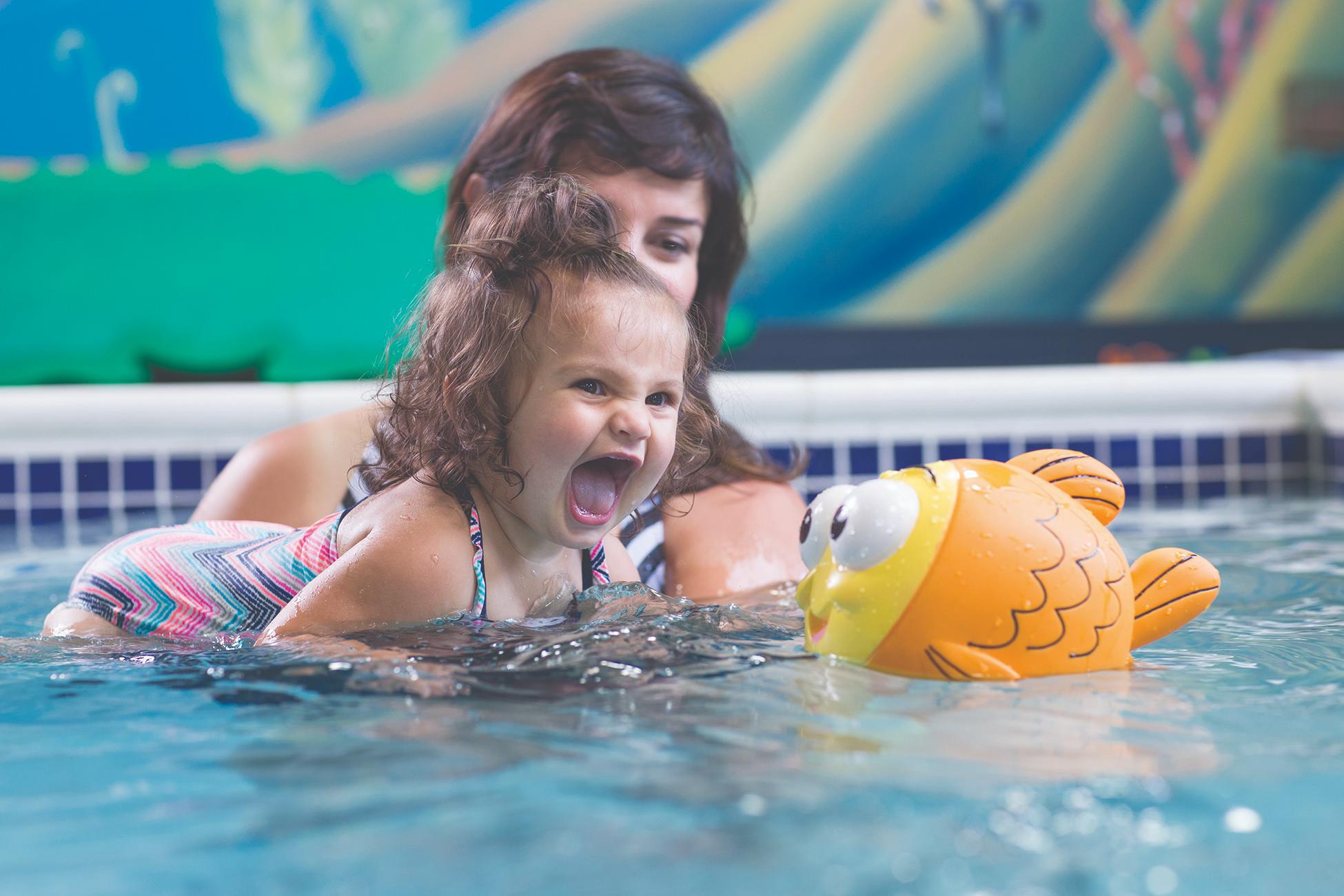
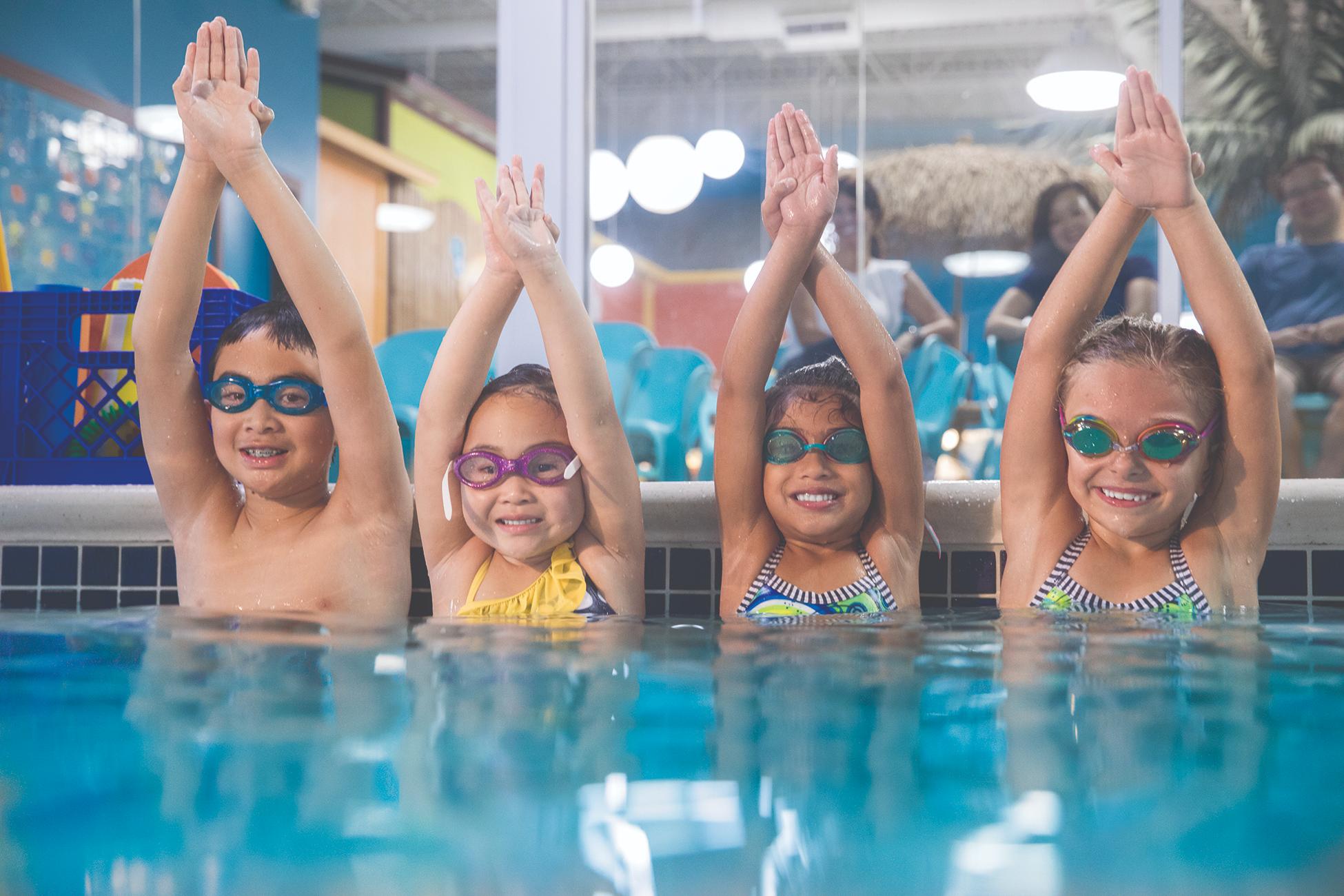
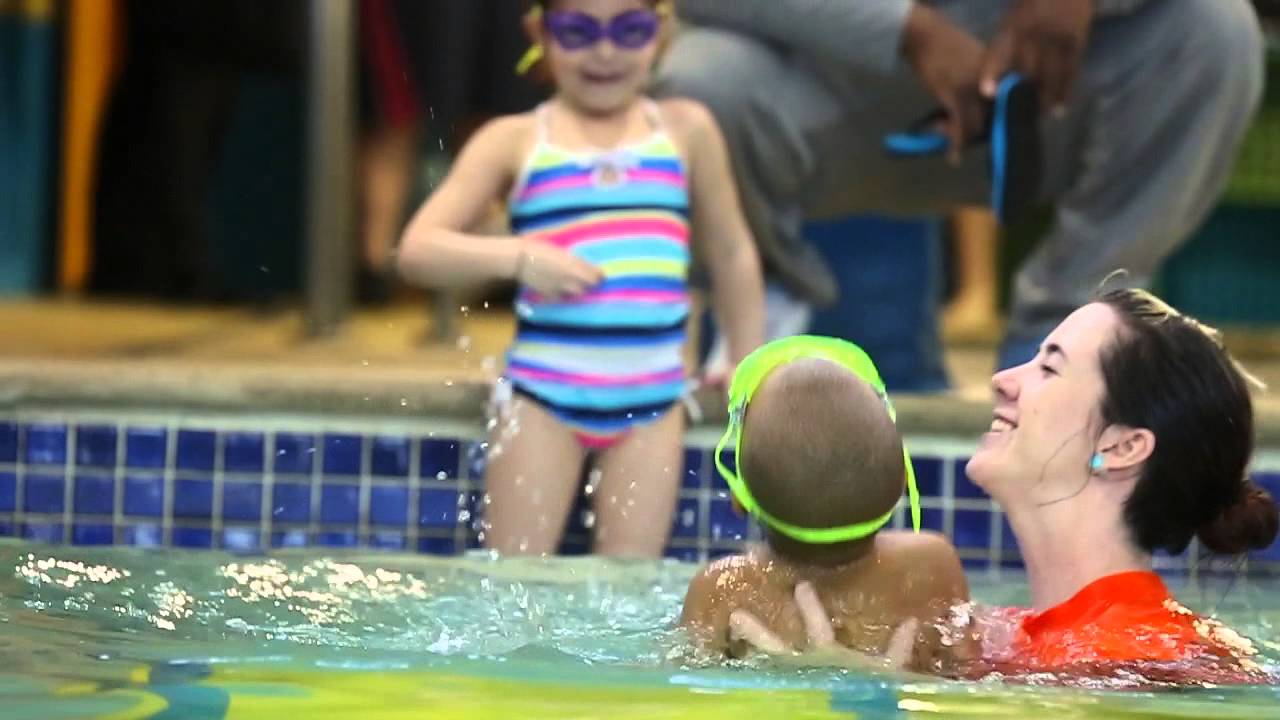
Our preschool swim lessons are designed specifically for 3-year-olds and 4-year-olds who are ready for more independence in the water. This level serves as the natural next step after toddler programs, giving young swimmers the chance to practice skills on their own while still receiving close guidance. No prior swimming experience is required, and lessons support both beginners and swimmers building toward intermediate skills.
Beginner-Friendly Swim Lessons for Preschoolers
Our children’s swim lessons welcome beginners with patience and structure. No prior experience is needed, and each child completes a brief evaluation to ensure the right placement. With 30-minute lessons and a 4:1 student-to-teacher ratio, instructors provide close support while gently introducing nervous swimmers in a way that helps them feel safe and confident from the start.
What Kids Learn in Our Swim Classes
Our swimming lessons for beginners focus on practical skills that support both safety and independence.
- Water comfort and safe pool entry and exit
- Front and back floating with decreasing assistance
- Basic kicking and arm movement coordination
- Breath control and simple submersion practice
- Listening skills and following multi-step directions
Progression from Beginner to Intermediate
Families enrolling in swimming lessons for 3-year-olds can expect a gentle introduction to core skills and confidence-building. As readiness increases, swimming lessons build on that foundation with more independent movement and early stroke refinement.
Beginner Focus:
- Building water comfort
- Practicing floating
- Assisted forward movement
Intermediate Focus:
- Stronger coordination between arms and legs
- More independent movement across short distances
- Early stroke development and refinement
Many students begin with infant swimming lessons, continue into preschool levels, and later move into youth swimming lessons as abilities grow.
Why Parents Choose Goldfish for Preschool Swim Lessons
Along with state-of-the-art facilities and parent-friendly amenities, here are a few more reasons to choose Goldfish for your toddler’s swimming classes at a location near you.
- Philosophy of learning through play
- Business created by parents
- Year-round swimming (enjoy a warm pool in winter!)
- Friendly and fun-loving instructors
- Modern training equipment
Unlike seasonal programs, our approach provides dependable progression that supports long-term growth. When your child is ready for the next level, including advanced swimming lessons, the transition feels natural and well-earned.
If you’re ready to begin, you can register now to reserve a spot that fits your schedule.
FAQs About Preschool Swim Lessons
Have questions about preschool swim lessons? Here are quick answers about readiness, progress, and what to expect.
How can parents tell if a child is ready for preschool swim lessons?
Children who are comfortable participating without a parent in the water and can follow simple directions are typically ready.
How do swim lessons help build confidence in 3-year-olds and 4-year-olds?
As children practice skills independently and receive positive reinforcement, they begin to trust their abilities and feel proud of their progress.
When is a child ready to move from beginner to intermediate swim lessons?
Advancement happens when foundational skills, such as floating and assisted movement, are performed consistently and safely.
What happens if a child is nervous during swim lessons?
Instructors introduce new skills gradually and provide reassurance so children feel supported while building comfort.
How do instructors keep young children engaged during swim lessons?
Lessons incorporate playful activities, repetition, and clear routines that hold attention while reinforcing important skills.
Junior 1

-
Unassisted flutter kicking with barbell – half pool width
-
Unassisted Superman Glide – 5 feet
-
Unassisted Pulling Paddle with face in – 5 feet
-
Water safety skills founded in repetition and muscle memory
- No previous swim lesson or aquatic experience required
Junior 2

- Unassisted Pulling Paddle with face in – 10 feet
- Unassisted rollover swim
- Unassisted flutter kicking with barbell – 1 pool width
- Build confidence and independence
- Student is comfortable going underwater
- Student is able to swim 5 feet independently with their face in the water
- Student is comfortable floating on their back with assistance
- Student is comfortable floating on their stomach with assistance
Junior 3

- Unassisted Simple Freestyle with face in – half pool width
- Unassisted rollover safety skills
- Unassisted back glide – 5 feet
- Increased independence and safety habits
- Student is able to float on their front and their back for 5 seconds independently
- Student is able to roll over for a breath independently
- Student is able to swim 10 feet independently with their face in the water
- Student is able to turn back to the wall and climb out independently

It's Time To
Take a Swim!
-
Not sure what class is
Take Our Swim Assessment
right for your child? -
Already know your
Register Through Our Portal
child's class level?